

Hospitality operations are becoming increasingly connected.
A guest preference remains inside the reservation system while the kitchen never sees it during service. An allergy note is added at the last moment, but still needs to be verbally repeated between floor and kitchen teams. During peak service, staff move between systems to double check information that should already be visible across the operation.
These situations happen every day in hospitality. Especially during peak service.
Restaurants and hotels now rely on reservations, POS environments, kitchen communication, reporting and guest management systems at the same time. The challenge is not the amount of technology being used. The challenge is that many of these systems still operate separately from each other.
And that quickly impacts service flow during busy operations.
Disconnected systems slow operations down.
When systems do not communicate properly with each other, hospitality teams start relying on manual coordination to maintain operational clarity during service.
That often means:
- verbal handovers between kitchen and floor
- repeated checks during peak service
- duplicated actions across systems
- missing visibility during critical service moments
- slower communication during high pressure shifts
And during busy service moments, those small delays quickly start stacking up.
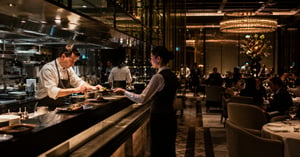
This becomes especially visible during luxury hospitality service where timing, pacing and guest expectations constantly need to stay aligned.
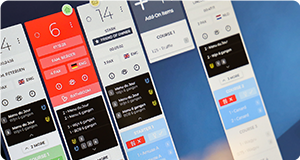
A table is ready for the next course, but the kitchen is unaware. Guest preferences remain isolated within the reservation system. During a busy pass moment, teams rely on verbal updates because systems are not fully connected.
Instead of creating smoother hospitality operations, disconnected workflows create operational friction across teams.
Connected systems improve operational visibility.
This is where integrations make a real operational difference.
Especially when service pressure increases.
Not because integrations are technical features, but because connected systems create smoother workflows across hospitality operations.
When reservations, POS systems, kitchen communication and reporting work together in real time, hospitality teams gain better visibility throughout service. Guest information becomes visible before guests arrive. Kitchen and floor teams work from the same operational overview. Communication becomes faster and calmer because fewer actions rely on manual follow up.
The biggest difference is often felt during peak service moments.
That is where disconnected systems tend to create friction. Teams repeat information multiple times, important details become easier to miss and delays become harder to anticipate.
Connected hospitality operations reduce that pressure by creating one operational workflow across service teams.
Better guest experiences start with connected workflows.
Within luxury hospitality, guests expect more than efficient service. They expect consistency, precision during service and teams that operate with confidence throughout the guest journey.
Connected systems help hospitality teams meet those expectations.
Reservation details, guest preferences and operational updates become visible across teams in real time. Kitchen and floor communication becomes smoother. Service pacing becomes easier to manage during busy moments. Teams spend less time coordinating manually and more time focusing on the guest experience itself.
Technology should support hospitality teams, not distract them from hospitality.
Modern hospitality operations require connected systems.
As restaurants, hotels and hospitality groups continue to scale internationally, connected systems become increasingly important for maintaining operational consistency across outlets.
Modern hospitality operations require more than standalone systems. They require connected workflows that support communication, operational visibility and precision during service in real time.
Because modern hospitality teams need visibility the moment service starts moving faster.
At Annoncer, connected hospitality operations are built around improving communication and operational visibility between reservations, POS systems and kitchen communication to help hospitality teams create smoother service experiences worldwide.