


The best Hospitality operations rarely run on one system.
At first glance, all in one platforms sound like the perfect solution.
One supplier.
One login.
One contract.
One platform for everything.
For many hospitality businesses, that simplicity is appealing. Especially when opening a new venue, replacing outdated systems, or trying to reduce the number of suppliers involved in daily operations.
But premium hospitality rarely operates in a simple environment.
As operations become more sophisticated, the question changes from "How many systems do we have?" to "How well do our systems support the way we work?"
Hospitality operations are not one size fits all.
A neighbourhood café, a quick service concept, and a Michelin starred restaurant may all serve food and drinks, but their operational requirements are completely different.
The same applies to technology.
Premium hospitality often relies on complex service flows, precise timing, multiple departments, and constant communication between teams.
-
The kitchen operates differently.
-
The service team works differently.
-
Management requires different insights.
-
Guests have different expectations.
As a result, the technology supporting these operations often needs to be more specialized as well.
Simplicity can create limitations.
Many all in one platforms are designed to cover a wide range of hospitality businesses.
That broad approach can be valuable.
However, the challenge is that broad solutions are not always designed to excel in highly specific operational environments.
Features that work well for a standard restaurant operation may not fully support the workflows of a fine dining restaurant, luxury hotel, or multi concept hospitality group.
Over time, teams may find themselves adapting their processes to fit the software rather than using technology that supports the way they naturally work.
Premium hospitality depends on specialist workflows.
During service, every second matters.
-
Timing between courses.
-
Visibility into preparation times.
-
Managing guest expectations.
-
Coordinating multiple stations.
These are not simply technology challenges. They are operational challenges.
The most effective systems are often the ones designed specifically for these environments.
Not because they offer more features. But because they offer the right features for the way hospitality teams actually operate.
Connected does not mean all in one.
One of the biggest misconceptions in hospitality technology is that having fewer systems automatically creates a better operation.
In reality, successful operations are often built around specialized systems that work together.
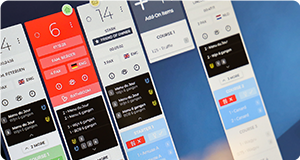
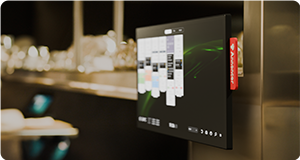
- Kitchen Display Systems.
Each serves a different purpose.
The goal is not to replace every specialist tool with a single platform.
The goal is to create an ecosystem where information flows seamlessly between systems and teams.
When that happens, hospitality organisations gain more visibility, better communication, and stronger operational control.
Technology should support service.
Guests never visit a restaurant because of its software. They visit because of the experience.
Technology exists to support that experience.
The best hospitality technology often becomes almost invisible during service. It quietly supports communication, coordination, and decision making without creating additional work for the team.
That is especially important in premium hospitality, where service quality depends on timing, consistency, and collaboration across departments.
The right solution depends on your operation.
There is nothing inherently wrong with an all in one platform. For some hospitality businesses, it may be exactly the right choice.
The important question is whether the technology aligns with your operation, your service standards, and your future ambitions.
As businesses grow, many discover that specialist solutions provide greater flexibility, deeper operational support, and stronger alignment with the realities of premium hospitality.
The best hospitality technology adapts to your operation, not the other way around.