El Puente
“Once you’re dealing with multiple tickets at once, overview becomes critical. That’s when you truly start to value systems like this.”
Eindhoven, The Netherlands
From reactive service to structured control in the kitchen.
At El Puente, a restaurant serving 45–50 covers per service, maintaining control during peak hours had become increasingly complex. As pressure built during service, the team relied heavily on experience and improvisation to keep operations running smoothly.
With the introduction of Annoncer, that dynamic shifted. What was once reactive became structured. The kitchen gained clarity, time was recovered across the operation, and a new sense of calm emerged during service.
In an environment where timing and quality must align, overview is essential. At El Puente, that overview was missing at the moments it mattered most.
Orders entered the kitchen in a fragmented way, forcing constant context switching and last-minute decisions. The issue was not the volume of guests, but the lack of structure behind the flow of orders.
“It wasn’t the pressure itself, but the lack of overview. You’re constantly switching, and that costs both time and energy.”
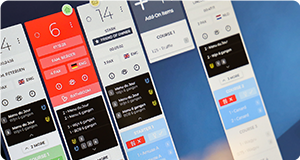
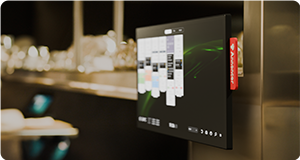
With Annoncer, El Puente introduced a central layer of structure across its operations. Orders, reservations, and kitchen flow became visible in one place, allowing the team to prepare with intent rather than react under pressure.
The kitchen could now anticipate what was coming, align better with front-of-house, and execute service with greater consistency.
The operational impact is best understood through the time regained across a typical day. Instead of small inefficiencies accumulating, clear structure translated directly into measurable savings:
- +20 minutes per service through more efficient kitchen preparation
- +15 minutes per service by reducing corrections and last-minute adjustments
- +10 minutes per day through faster, more targeted staff planning
Total: 45 minutes saved per day.
What stands out is not just the total, but where the time is recovered: before service, during peak pressure, and even in planning. The gains are structural, not incidental.



What improved during service?
Kitchen and front-of-house operate from the same real-time overview, improving communication and coordination.
In practice: control during peak hours.
The difference becomes most visible during busy services, when multiple tables arrive simultaneously. Where the team previously had to respond on the fly, they now operate with a clear understanding of what lies ahead.
“Instead of reacting ad hoc, we now have full overview. We know what’s coming and can anticipate. That prevents last-minute changes or missed dishes.”
This shift from reacting to anticipating changes the entire rhythm of service, resulting in more consistent execution and a noticeably calmer kitchen.
This approach is particularly valuable for restaurants dealing with overlapping tickets and high service intensity. In those environments, maintaining overview becomes critical to sustaining quality.
“Once you’re dealing with multiple tickets at once, overview becomes critical. That’s when you truly start to value systems like this.”