

Mandarin Oriental, Barcelona
"When something doesn't go well, it's usually related to a communication problem."
Operational improvements confirmed by Mandarin Oriental, Barcelona.
Throughout the interview, we asked the team at Mandarin Oriental, Barcelona, whether they recognised the operational improvements we consistently hear from other luxury hotels. They confirmed that these outcomes accurately reflect their own experience.
Confirmed by Thibaud Antoine.
"Definitely. We have much more time to spend with the guest." - Thibaud Antoine, Director of Food & Beverage
Luxury hotels using Annoncer often report a 5–10% increase in average guest spend when staff spend less time on internal communication and more time with guests. During the interview, Mandarin Oriental, Barcelona, fully recognised this outcome.
"So ultimately the experience goes up, the spending goes up because I have more time to upsell, but the guest is also happier, so the guest ultimately will also spend more."
— Thibaud Antoine, Director of Food & Beverage
Operational improvements don't just help the team., they improve the guest experience.
"The experience goes up... but the guest is also happier." - Thibaud Antoine, Director of Food & Beverage
Luxury hotels using Annoncer typically report a 5–10% increase in repeat bookings. During the interview, Mandarin Oriental, Barcelona, recognised that a better guest experience naturally leads to stronger guest loyalty. .
"Ultimately when you're happy, you're coming back." - Thibaud Antoine, Director of Food & Beverage
The team agreed that communication is the single biggest factor behind a flawless guest experience. They also recognised that operational issues are usually communication issues.
"The systems are here to facilitate... to avoid careless mistakes." - Thibaud Antoine, Director of Food & Beverage
Operational excellence starts with better communication across departments.
"When something doesn't go well, it's usually related to a communication problem." - Thibaud Antoine, Director of Food & Beverage
Instead of walking back and forth between front of house and the kitchen, staff stay where they create the most value: with their guests. Better communication reduces unnecessary movement and allows teams to remain present throughout service.
"It helps tremendously to communicate without having to move around. We are saving a lot of steps and we can walk around the restaurant rather than going back and forth between the back and the front of house." - Thibaud Antoine, Director of Food & Beverage
Teams adapted to the new workflow within the first week.
"Just one week after everybody was very happy. The adaptation was very good, very quick." - Daniel Fernandez, IT Director
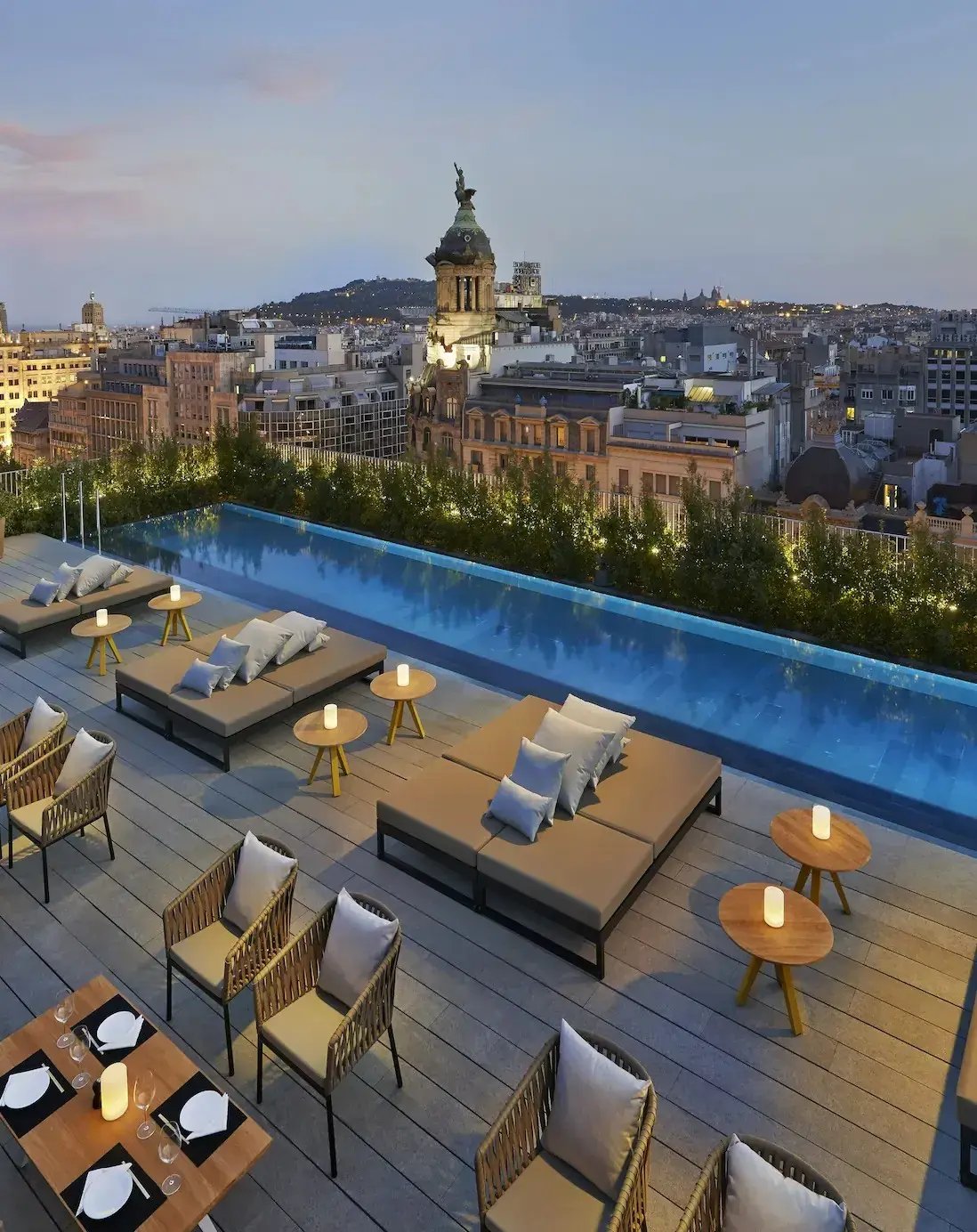
Inside Mandarin Oriental, Barcelona
Delivering exceptional luxury hospitality requires far more than outstanding food and flawless service. Behind every memorable guest experience is a connected operation where departments continuously share information, coordinate decisions and work towards the same goal.
At Mandarin Oriental, Barcelona, technology supports that collaboration by connecting front office, food & beverage, housekeeping, engineering and IT into one operational flow. Rather than focusing on individual systems, the hotel focuses on creating one connected guest experience.
For this case study, we spoke with Daniel Fernandez, IT Director, and Thibaud Antoine, Director of Food & Beverage, about how communication, technology and operational visibility influence everyday service.
About Mandarin Oriental, Barcelona
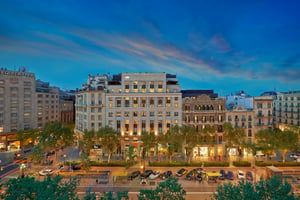
Mandarin Oriental, Barcelona is one of Spain's leading luxury hotels, located on the prestigious Passeig de Gràcia in the heart of Barcelona.
The hotel combines luxury accommodation with multiple food & beverage concepts, premium guest services and internationally recognised hospitality standards. Every day, numerous departments work simultaneously to deliver one seamless guest experience.
For Daniel Fernandez and Thibaud Antoine, operational excellence is no longer about individual departments performing well. It is about making sure every department works from the same information, at exactly the right moment.
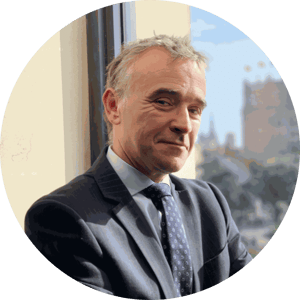
Meet Thibaud Antoine
With more than ten years in luxury hospitality and eight years within Mandarin Oriental, Thibaud has worked extensively across Asia before returning to Europe. His philosophy is simple:
"Service is people. Service is heart."
That belief forms the foundation of everything the hotel delivers.

Meet Daniel Fernandez
Daniel joined Mandarin Oriental in 2008 as IT Manager and has since progressed to IT Director. With previous experience in telecommunications and automotive, he now oversees the hotel's technology landscape and focuses on connecting systems that improve both operational efficiency and the guest experience.
"Support is the key. Quick, fast, and to know what happens."
Hospitality has changed.
Luxury hospitality today is no longer defined by the quality of the cutlery or the elegance of the dining room alone.
Guest expectations have evolved. Modern travellers expect personalised experiences, instant communication and seamless service across every interaction with the hotel.
As Thibaud explains, luxury has shifted from what guests see to what they feel.
At the same time, technology has become significantly more complex. Hotels now manage communication through dozens of applications, guest channels and operational platforms that all need to work together.
Before Annoncer.
As hospitality operations become more connected, communication also becomes more complex.
Guest information is no longer limited to the restaurant. Housekeeping, engineering, front office and food & beverage all contribute to the same guest experience.
Without connected systems, information can easily remain inside one department, creating unnecessary questions, misunderstandings and operational friction.
As Thibaud explains:
"When something doesn't go well, it's usually related to a communication problem."
The challenge wasn't a lack of commitment from employees.
The challenge was making sure every department had access to the right information at exactly the right time.
Communication creates exceptional Hospitality.
Exceptional guest experiences don't happen by chance. They are the result of clear communication across every department involved in the guest journey.
For Mandarin Oriental, Barcelona, communication isn't simply about talking more. It's about making sure the right information reaches the right people at the right moment.
As Director of Food & Beverage Thibaud Antoine explains:
"When something doesn't go well, it's usually related to a communication problem."
Keeping communication aligned isn't easy in a busy luxury hotel, where multiple departments work under constant pressure.
"Communication is a simple concept, but extremely complicated to keep aligned because everyone is under tremendous pressure and no one has time."
Connected information across every department.
Today's guest experience extends far beyond the restaurant.
Housekeeping, Front Office, Food & Beverage, Engineering and Finance all contribute to the same stay. Delivering exceptional hospitality requires these departments to work from connected information rather than isolated systems.
As IT Director Daniel Fernandez explains:
"We are working a lot to integrate many systems and improve this communication in housekeeping, in F&B and to avoid misunderstandings."
Thibaud adds:
"Communication is important between people, but also between the software."
When systems communicate seamlessly, every department gains visibility into the guest journey, reducing misunderstandings and enabling smoother collaboration.
Technology should remove distractions.
Technology should never become the centre of hospitality.
Its role is to remove unnecessary operational tasks, allowing people to focus on delivering memorable guest experiences.
As Thibaud explains:
"The systems are here to facilitate. They are here to avoid these careless mistakes that become parasites within the service."
By eliminating repetitive operational distractions, teams can focus on the moments that matter most.
More time for guests.
Every minute spent solving preventable operational issues is a minute not spent with guests.
For Mandarin Oriental, Barcelona, technology creates value by giving employees more time to do what hospitality is really about.
As Thibaud explains:
"Service is people. Service is heart."
He continues:
"If you keep people busy thinking about things they should not forget... then you lose a lot of your focus on the most important thing, which are the guests."
By reducing unnecessary operational tasks, employees can spend more time creating personal interactions that guests remember.
Better guest experiences drive better business.
Operational excellence doesn't only improve efficiency.
It strengthens guest satisfaction, encourages repeat visits and creates new opportunities to grow revenue through more personalised service.
As Thibaud explains:
"The experience goes up, the spending goes up because I have more time to upsell, but the guest is also happier."
According to the team, happier guests are more likely to return and recommend the hotel to others, helping sustain long-term business performance.
Technology should be invisible.
The best hospitality technology is technology that quietly supports the operation.
It shouldn't require constant attention from employees or become something guests notice. Instead, it should simply help people perform at their best.
As Daniel explains, today's hospitality software should be designed around the guest rather than around the operation itself.
"The new software that we use is focused on the guests."
Technology succeeds when it disappears into the background while people remain at the centre of the guest experience.
Better adoption through simplicity.
Introducing new technology into a luxury hotel can be challenging, especially in the kitchen where established routines often remain unchanged for years.
At Mandarin Oriental, Barcelona, however, adoption happened remarkably quickly.
As Daniel recalls:
"One week after everybody was very happy. The adaptation was very good, very quick."
Simple, intuitive technology allowed teams to focus on hospitality instead of learning complex systems.
What luxury Hospitality can learn from Mandarin Oriental, Barcelona.
The experience of Mandarin Oriental, Barcelona confirms that operational excellence isn't achieved by adding more technology. It's achieved by giving every department access to the same information at the right moment.
Throughout the interview, the team recognised the operational improvements consistently reported by other leading luxury hotels. Better communication, more time for guests, fewer unnecessary interruptions and greater operational control all contribute to a smoother service and a better guest experience.
Great hospitality starts with communication
When something doesn't go well during service, it's usually a communication issue rather than an execution issue. Sharing the right information in real time reduces misunderstandings, keeps departments aligned and allows teams to work with greater confidence.
More time for guests creates better business
Every minute saved on internal communication is another minute that can be spent with guests. More presence on the restaurant floor creates more opportunities for personal attention, recommendations and upselling, ultimately contributing to higher guest satisfaction, stronger guest loyalty and increased guest spend.
Better communication means fewer unnecessary steps
The team recognised that having information instantly available significantly reduces unnecessary movement between front of house and the kitchen. Instead of walking back and forth to exchange information, employees can remain where they create the most value: with their guests.
Technology should support hospitality, not replace it
The best technology is almost invisible. It quietly connects departments, removes operational friction and gives hospitality professionals the confidence to focus entirely on delivering exceptional service.
Connected Hospitality creates calmer operations
When everyone works from the same real-time information, service becomes calmer, communication becomes easier and departments operate as one connected team. The result isn't just a more efficient operation, but a better experience for both employees and guests.
"The systems are here to facilitate. They are here to avoid careless mistakes that become parasites within the service."